

OpenAI closes $11 billion at a $1.25 trillion valuation
Bloomberg and Reuters report that OpenAI has closed the first part of a new funding round, about $11 billion at a $1.25 trillion valuation, less than it first sought.
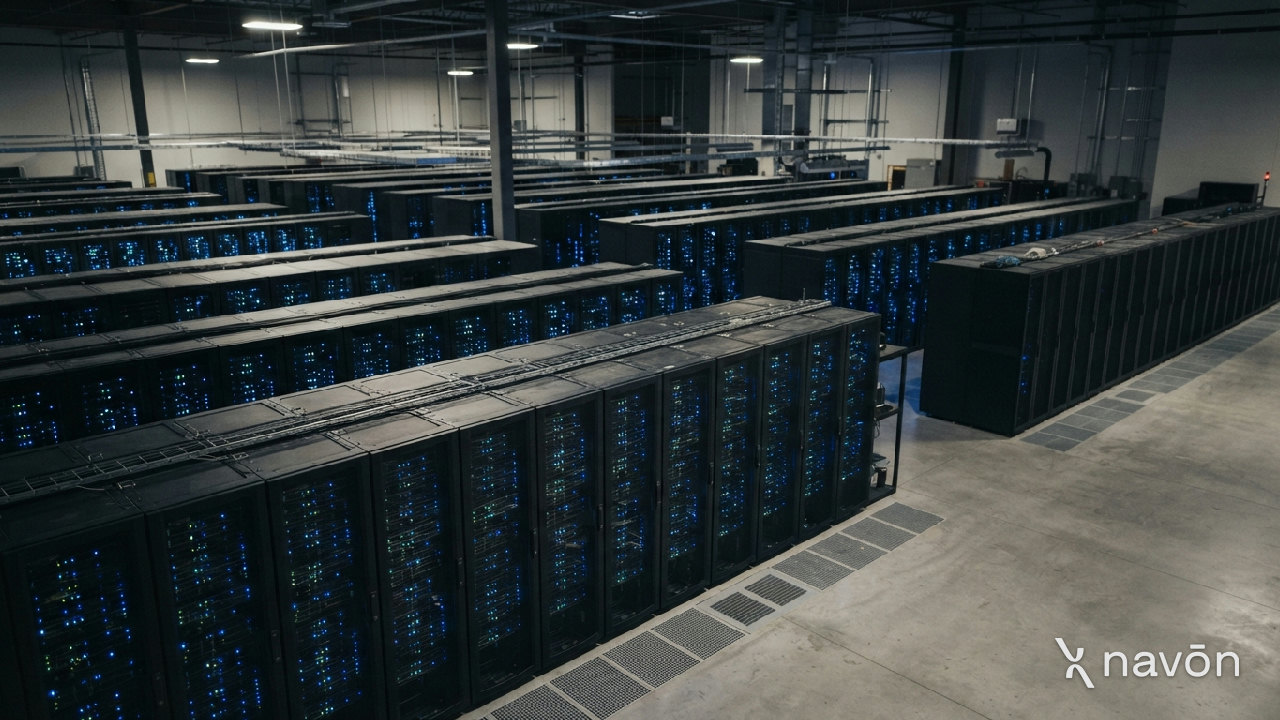
Bloomberg reported on November 6 that OpenAI has closed about $11 billion in new funding, the first part of a larger round that values the company at $1.25 trillion. Reuters reported the same figures, citing a source familiar with the matter. OpenAI declined to comment, so these details come from people close to the deal and not from a company announcement.
What has been reported
- Bloomberg says the $11 billion is the initial part of a round that could reach up to $20 billion, with the remainder expected in the coming weeks, according to one person familiar with the matter.
- Investors in the first close include Coatue Management and T. Rowe Price, according to Bloomberg's sources. Reuters adds SoftBank Group, Sequoia Capital, Founders Fund and Andreessen Horowitz.
- Bloomberg has reported that OpenAI first set out to raise $30 billion or more at a $1.4 trillion valuation, and scaled back its plans amid a sell-off in AI stocks. Some outlets cite a different original valuation, so that figure varies by source.
- OpenAI's previous round, in March, raised $122 billion at an $852 billion valuation, according to the same coverage.
Why it matters
The headline number is large, but the more telling detail is the smaller-than-planned raise. Building and running AI systems takes very large sums, and the companies doing it depend on investors continuing to believe the spending will pay off. A round that comes in below its target suggests investors are weighing that question more carefully than they were a few months ago.
Funding rounds are not product announcements, and nothing in these reports describes a new model or feature. What they show is how much money, and how much pressure to earn it back, sits behind the tools many families and schools now use.
What it means for families, schools and frum professionals
- Companies under pressure to grow may change plans, pricing, features and data policies. If a school or business builds a routine around a single AI tool, it is worth knowing what happens if that tool changes.
- Read the privacy terms again from time to time, particularly for tools children use. Terms are not fixed.
- Valuations and funding rounds say nothing about whether a tool is suitable for a child or consistent with a family's standards. Judge a tool by what it does, not by who has invested in it.
How to read a report like this
It helps to be clear about what kind of news this is. Both Bloomberg and Reuters rely on people familiar with the matter, not on a statement from OpenAI, and outlets differ on some background figures, such as the valuation the company first sought. The core numbers agree across the coverage: about $11 billion, a first close, and a $1.25 trillion valuation. The rest of the round, including how large it finally becomes, was described as still to come.
Be cautious with headlines that treat a valuation as a measure of how good or safe a product is. A valuation is what investors agree to pay for a share of a company. It does not tell a parent whether a chatbot handles a child's questions well, and it does not tell a school whether its students' data is handled carefully.
Questions worth asking your school or workplace
When a company at the centre of the AI industry reshapes its finances, the useful question for an institution is practical. Which AI tools do our teachers, staff and students actually use? Who decided that? What do we do if the terms, the price or the features change? A short written list of approved tools, reviewed once a term, answers most of these questions before they become urgent.
For parents, the equivalent is simple: know which apps your children use, check the age guidance and the privacy settings on each, and talk with them about what they ask an AI and what they do with the answers. None of that depends on a funding round.
What it changes for someone using Navōn
Nothing directly. Navōn is a separate product with its own filtering and its own standards, and these reports concern another company's finances. The point for any family or school is the same one we make about every AI tool: choose one whose rules you can read, and keep halachic questions with a rav, not with any AI.
Common questions
How much did OpenAI raise?
Bloomberg and Reuters report that OpenAI has closed about $11 billion, the first part of a round that could reach up to $20 billion. OpenAI has not commented.
What is OpenAI's valuation after this round?
The reports put it at $1.25 trillion, below the roughly $1.4 trillion Bloomberg says the company first sought.
Does this change how ChatGPT works for children?
The reports do not describe any product change. They cover funding only.
Is the funding confirmed by OpenAI?
No. OpenAI declined to comment, and the details come from people familiar with the deal.
Sources
- Bloomberg: OpenAI Completes $11 Billion Portion of Funding at $1.25 Trillion Value (November 6, 2026)
- Yahoo Finance: OpenAI Completes $11 Billion Portion of Funding at $1.25 Trillion Value (November 6, 2026)
- Investing.com: OpenAI closes $11 billion funding at $1.25 trillion valuation, citing Reuters (November 6, 2026)
Published by Navōn. How these guides are written and checked.
Read next
- Kosher AI: what it means and how to evaluate it
A complete guide to what people mean by kosher AI, why no certification exists, and the specific properties to check before a tool enters your home or classroom.
- Anthropic, the maker of Claude, files to go public
Anthropic filed publicly for a stock market listing on October 26. What the filing says, what it leaves out, and what it means for families and schools.
- Goldman Sachs limits AI coding tools to its engineers
Goldman Sachs has pulled Claude Code and GitHub tools from most bankers and traders. What was reported, and what it means for frum professionals using AI at work.