

Texas sues OpenAI and Sam Altman over ChatGPT and children
On October 23, Texas Attorney General Ken Paxton sued OpenAI and Sam Altman, alleging ChatGPT was marketed as safe while risks to children were hidden. The claims are allegations, not findings.
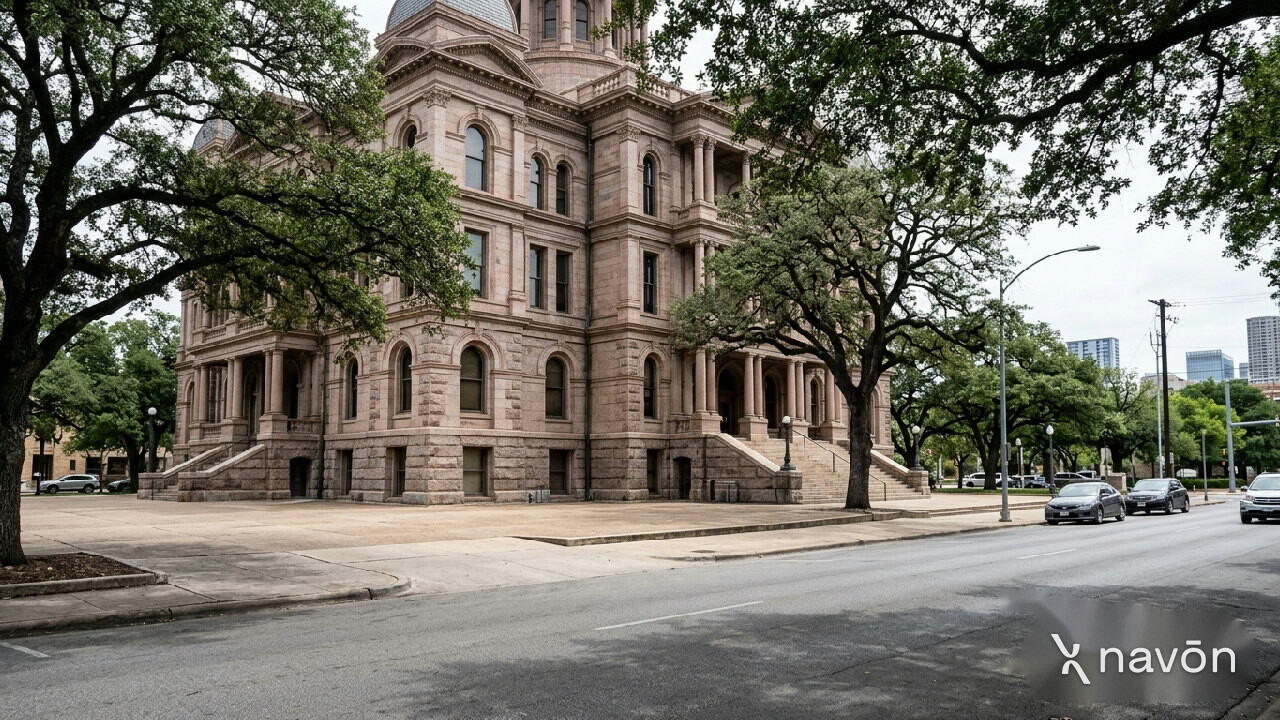
On October 23, 2026, Texas Attorney General Ken Paxton filed suit against OpenAI and its chief executive, Sam Altman, in Collin County district court. The suit alleges that ChatGPT was marketed as safe while its risks, particularly to children, were not disclosed. Everything below is what the petition alleges, as reported by several outlets. None of it has been decided by a court.
What the suit says
- It relies on the Texas Deceptive Trade Practices Act and the SCOPE Act, a Texas law on how digital services handle minors, according to reporting on the 67-page petition.
- It alleges minors became dependent on ChatGPT and that the product collects their data without parental oversight.
- It says the free version has no age verification, and that the paid version asks for an age but does not check it. Parental controls, launched in September 2025, are optional.
- It seeks to hold Altman personally liable, alleging he directed the conduct at issue.
- It also lists alleged harms including inaccurate answers and encouragement of self-harm.
What Texas is asking for
According to reporting, Texas seeks more than $1 million in monetary relief, including civil penalties of $10,000 per violation. It also asks that minors be barred from ChatGPT and that a court-appointed independent evaluator review new OpenAI models before release. Those are requests in a complaint, not rulings.
It is not the first
Reporting on the Texas suit notes that attorneys general in eight other states filed their own suits on October 14: Iowa, Kansas, Nebraska, West Virginia, Arkansas, Arizona, Idaho and Montana. CNBC and NBC News reported that group argues OpenAI broke state consumer protection laws and misled users about safety. Florida sued first, in June. In the October 14 coverage, OpenAI disputes the claims and says it has built protections meant to reduce teenagers' exposure to harmful content, including safeguards on self-harm and violence.
Why it matters
The cases are about two things families already worry about. The first is whether a chatbot is honest about its own limits. The second is whether it knows who it is talking to. Age checks and parental controls are the center of the Texas complaint: a tool that cannot tell a ten-year-old from an adult cannot apply a different standard to each.
The suits are also bipartisan, in that states led by different parties are bringing them. This post takes no side on the politics of any of it, and the outcome of the cases is unknown.
What it means for families, schools and professionals
- Ask any AI tool how it knows a user's age, and what happens when it is wrong. An optional setting a child can skip is a weak answer.
- Ask what the tool stores about a child's conversations and who can see it.
- Schools writing an AI policy can cite this as a reminder to ask vendors for specifics, not marketing language. Our guide to vendor questions is a place to start.
- Professionals using general chatbots for client or business material should read the data terms, whatever the lawsuits decide.
What it does and does not change for Navōn
A lawsuit against another company does not change how Navōn works. What Navōn does is described in the product and on our features page: every account states its age before use, messages are checked on the server for the standard that applies to that account, and parents and schools set the rules for a child's account. We do not claim any filter is perfect, and Navōn does not pasken: halachic questions belong with a rav.
Common questions
Why is Texas suing OpenAI?
Texas alleges OpenAI marketed ChatGPT as safe while hiding risks to children, in violation of the Texas Deceptive Trade Practices Act and the SCOPE Act. These are allegations in a complaint.
Is ChatGPT safe for kids?
That is the question these suits dispute. OpenAI says it has built protections for teenagers. Parents should check age verification, parental controls and data practices for themselves.
Which states have sued OpenAI over ChatGPT?
Florida in June, eight states on October 14 (Iowa, Kansas, Nebraska, West Virginia, Arkansas, Arizona, Idaho, Montana), and Texas on October 23.
Has a court ruled on these lawsuits?
No. The cases are unresolved and the allegations have not been established as violations of law.
Sources
- The Hill: Ken Paxton sues OpenAI, Sam Altman over alleged failures to warn consumers of ChatGPT risks (October 2026)
- The Next Web: Texas sues OpenAI and Sam Altman over ChatGPT's safety for children (October 2026)
- CNBC: OpenAI sued by 8 states over ChatGPT safety concerns (October 14, 2026)
- NBC News: Eight states sue OpenAI over ChatGPT's alleged harms to users (October 2026)
Published by Navōn. How these guides are written and checked.
Read next
- Kosher AI: what it means and how to evaluate it
A complete guide to what people mean by kosher AI, why no certification exists, and the specific properties to check before a tool enters your home or classroom.
- Is ChatGPT safe for kids? An honest answer
ChatGPT refuses obviously harmful requests, but that is not the same as being appropriate for a child. What it does well, where it falls short, and what to do about it.
- 12 questions to ask before you buy an AI tool for your school
A procurement checklist with the answers that should worry you. Print it, take it to the demo, and ask every question in order.