

US rule limits remote access to advanced AI chips
The Commerce Department's new interim rule requires licenses for some data centers that rent AI computing power to companies in China and other restricted countries, and for chip shipments to five countries.
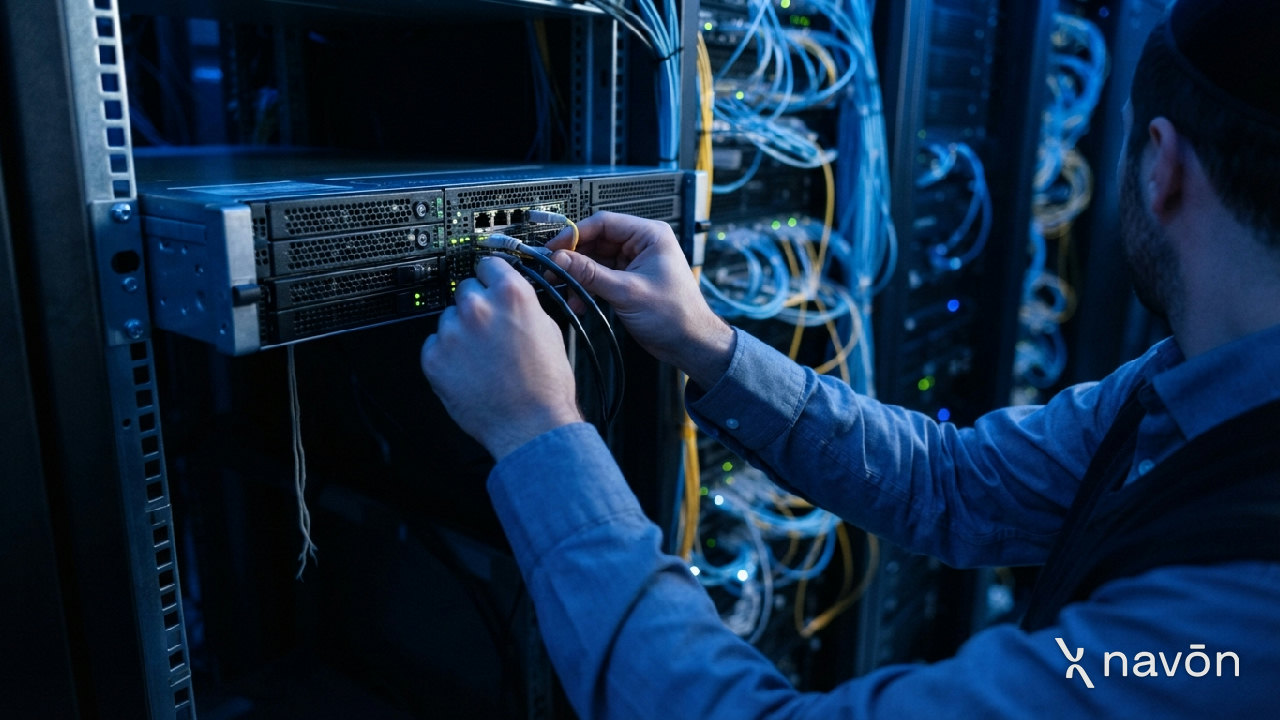
On or about November 16, 2026, the US Commerce Department's Bureau of Industry and Security issued an interim final rule on remote access to advanced AI chips. Bloomberg, CBS News, Nextgov and The Next Web all reported it. Most outlets date the rule November 16, though some give November 15. The rule is aimed at a loophole: a company can be barred from buying advanced chips, yet still use them by renting computing power from a data center in another country.
What the rule does
The details below come from press coverage of the rule, not from our own reading of the Federal Register text, so treat the numbers as reported.
- Data centers anywhere that supply large amounts of computing power to companies headquartered in China or other restricted countries need a license. Coverage gives the threshold as more than 12 million aggregate TPP, a measure of computing power.
- Licenses are now required for exports of advanced chips to Indonesia, Malaysia, Singapore, Thailand and Brazil, which the rule describes as having a higher-than-normal risk of diversion.
- Existing data centers that serve covered customers have 90 days after the rule takes effect to obtain a license. One report lists the effective date as November 19, 2026.
- The rule tightens reviews at chip foundries and packaging firms, withdraws the de minimis exemption for AI computing, and formally repeals the AI Diffusion Rule, which was never enforced.
- Possible penalties named in coverage include import restrictions, new license requirements and Entity List designations.
CBS News reported that the rule followed a scandal involving Nvidia and a company called Megaspeed, and that a former Commerce official said an earlier proposal would have substantially mitigated Megaspeed's access to advanced chips.
Why it matters
Advanced AI runs on a small number of very expensive chips. Governments treat access to them as a matter of national security, and the rules about who may buy, ship and rent them shape which companies can train the largest models. Until now, much of the debate was about physical shipments. This rule extends the question to rented access: it is not only who owns the chips, but who is using them from afar.
It is also a reminder that AI is not only software. The tools families and schools use depend on data centers, power and hardware, and policy about any of them can change what companies can offer and what it costs to run.
What it means for families, schools and frum professionals
- Parents: nothing changes today in the AI apps your children use. This is a rule about chip exports and large data centers, not about consumer products.
- Mechanchim and schools: it is a useful real-world example for older students of how technology, trade and security policy connect. It is also a reason to ask any AI vendor where your data is processed.
- Professionals and business owners: if your company or a vendor rents AI computing power abroad, particularly in the five countries named, it is worth asking whether the rule affects them. Take legal advice for your own situation; we are not offering it.
- Everyone: reports describe the rule as interim, which means details may be revised. We found no independent assessment yet of how it will work in practice.
What it changes for someone using Navōn
Nothing that we know of. We have no information that the rule changes any Navōn feature, setting or standard, and we are not claiming it does. The broader lesson is the same one we draw from most AI news: the technology underneath moves quickly, so choose tools whose standards and filtering do not depend on any single supplier, and bring halachic questions to a rav, not to an AI.
Common questions
What is the new US rule on remote access to AI chips?
An interim final rule from the Commerce Department's Bureau of Industry and Security, reported on November 16, 2026. It requires licenses for data centers that supply large amounts of computing power to companies in China and other restricted countries.
Which countries need licenses for advanced AI chips now?
Press coverage says Indonesia, Malaysia, Singapore, Thailand and Brazil, which the rule describes as having a higher-than-normal risk of diversion.
Does this affect ChatGPT or other AI apps I use?
Nothing in the coverage we read says it changes consumer AI apps. It concerns chip exports and large data centers.
What is the remote access loophole in AI chip rules?
A company barred from buying advanced chips can still use them by renting computing power from a data center elsewhere. The new rule requires licenses for data centers that serve covered customers.
Sources
- Nextgov/FCW: Commerce Department moves to close AI chip loophole (November 2026)
- CBS News: After Nvidia scandal, Commerce Department moves to curb remote access to AI chips (November 2026)
- The Next Web: US curbs China's remote access to AI chips through overseas data centres (November 2026)
- Bloomberg: US Moves to Curb Remote Access to Nvidia's Advanced AI Chips (November 16, 2026)
Published by Navōn. How these guides are written and checked.
Read next
- Kosher AI: what it means and how to evaluate it
A complete guide to what people mean by kosher AI, why no certification exists, and the specific properties to check before a tool enters your home or classroom.
- TSMC approves up to $1 billion in Anthropic and OpenAI
TSMC's board approved stakes of up to $500 million each in Anthropic and OpenAI on November 10. What was reported, and what it does not mean.
- Google launches Gemini 4 Hydrogen, a faster model for coding
Google's Gemini 4 Hydrogen is a faster, lower-tier model aimed at coding and AI agents. What was announced, who gets it, and what parents should know.