

Israel sets out a sovereign AI plan at Tel Aviv University
At AI Week in Tel Aviv, the head of Israel's National AI Directorate said the country should not depend on foreign AI models, and a new institute for public-service AI was launched.
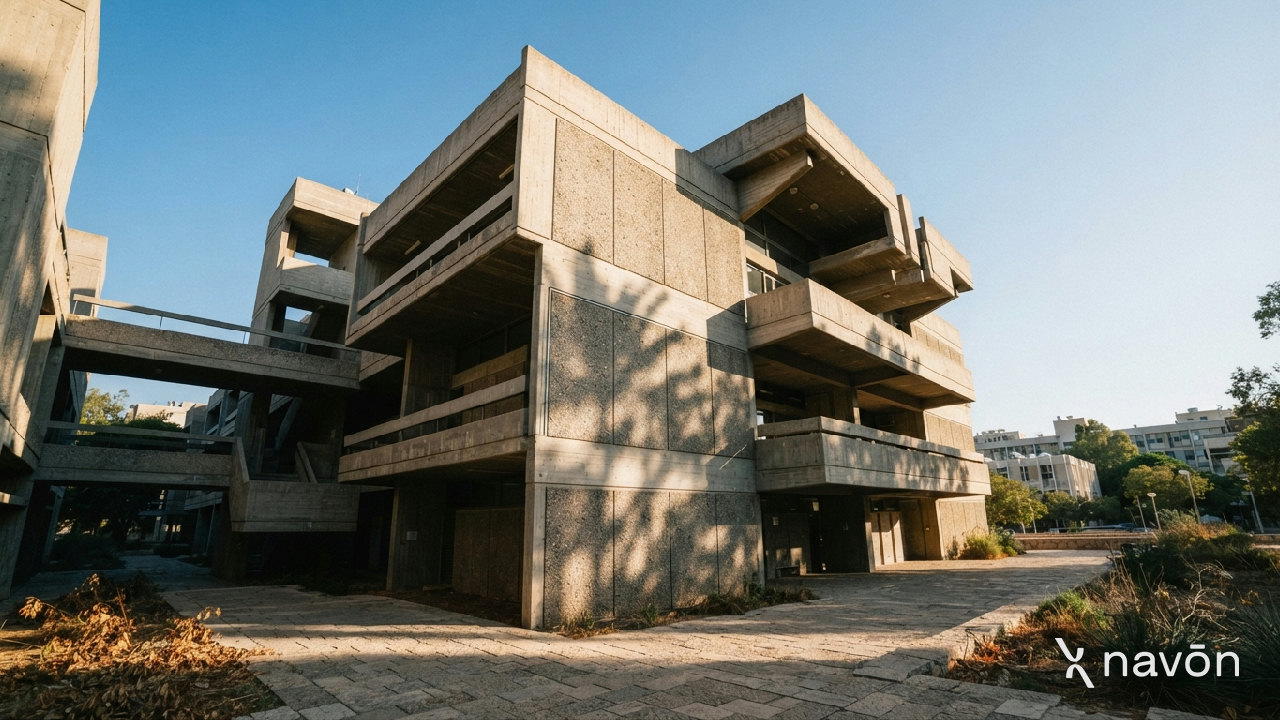
Israel's National AI Directorate used the AI Week conference at Tel Aviv University to set out a plan for what it calls sovereign AI. The Times of Israel reports that the directorate's head, Erez Askal, argued that Israel should not rely on foreign providers for AI models, and JNS reports that the same event coincided with the launch of a new National Institute for Impact-Oriented Artificial Intelligence. AI Week runs from November 9 to 11, according to the event listing.
What was reported
- Askal warned that Israel cannot count on other countries, including the United States and China, to provide continuous long-term access to AI models, according to the coverage.
- His proposed response is a domestic stack: energy infrastructure of about 2 gigawatts, a large pool of graphics processors, a sovereign foundation model and an Israeli quantum computer.
- Outlets disagree on the processor target. Some report about 100,000 accelerators as the approved baseline, others about 300,000. We treat the number as unsettled.
- Askal said that within five to seven years, critical infrastructure such as energy, water and hospitals would run on AI, JNS reports.
- The new institute sits within the directorate and is aimed at applying AI to health care, education and other public services.
- The strategy rests on three goals: technological sovereignty, better quality of life for citizens, and using Israel's strengths to advance AI development worldwide.
Why it matters
Most AI discussion in Jewish communities is about use: what to ask, what to avoid, who to consult. This story is about supply. A country that depends on models and chips built elsewhere is exposed if access, prices or terms change, and Askal's argument, as reported, is that for essential services that exposure is too large. Whether the plan can be funded and delivered is a separate question that the reports do not answer.
The reference to health care and education also matters locally. Israeli schools and hospitals are named as places where the institute hopes to apply AI. Reports so far give goals, not programmes, so there are no details yet on what a student or patient would actually see.
What it means for families, schools and frum professionals
- Israeli-founded companies and those who work with them may see more domestic demand for AI skills, hardware and services if the plan proceeds.
- Educators and institutions in Israel should watch what the new institute publishes about education, including privacy and child-safety rules. Nothing has been reported yet.
- The dependency question applies on a smaller scale to any school or business: if one AI provider changed its terms tomorrow, what would you do?
- A national strategy says nothing about whether a given tool is modest, accurate or suitable for a child. Those judgments stay with parents, mechanchim and rabbonim.
What to watch next
Look for the institute's first published priorities, any budget figures from the Prime Minister's Office, and a reconciled processor target. Our earlier coverage of a Tel Aviv University training approach and of Israel's election labelling rules shows how quickly policy and research in this area are moving, and how often early numbers change.
What it changes for someone using Navōn
Nothing directly. This is national policy reporting, and we have no information that it affects any Navōn feature. Navōn keeps its own filtering and standards, and it does not paskin: halachic questions belong with a rav.
Common questions
What is Israel's National AI Directorate?
A body in the Prime Minister's Office, headed by Erez Askal according to the coverage, that sets national AI strategy.
What is sovereign AI?
In this reporting, it means Israel building its own AI infrastructure and models instead of depending on foreign providers.
What is the new AI institute for?
JNS reports the National Institute for Impact-Oriented Artificial Intelligence aims to apply AI to health care, education and public services.
How many GPUs does Israel plan to have?
Reports differ: some say about 100,000 as the approved baseline, others about 300,000.
Sources
- The Times of Israel: Israel AI chief says independent infrastructure critical for energy, water, and healthcare systems (November 9, 2026)
- JNS: Israel's national infrastructure will run on AI within a few years, official says (November 2026)
- The Jerusalem Post: AI chief: Israel risks losing control of electricity, water, healthcare to firms (November 2026)
This story was researched and written by Navōn.
Inside Navōn, News writes an article on any topic from sources you choose, checked against your family's or school's standards.
Published by Navōn. How these guides are written and checked.
Read next
- Kosher AI: what it means and how to evaluate it
A complete guide to what people mean by kosher AI, why no certification exists, and the specific properties to check before a tool enters your home or classroom.
- Tel Aviv University: AI that trains without human data
Tel Aviv University and Stanford researchers report an AI training method that uses no human-made data. What it shows, what it doesn't, and why Israel's AI research matters.
- Israel's election and AI: what the labelling rules cover, and what they don't
Israel votes on October 27 under new rules requiring AI-made campaign material to be labelled. What the rules say, the gap experts point to, and how to check what you see.